
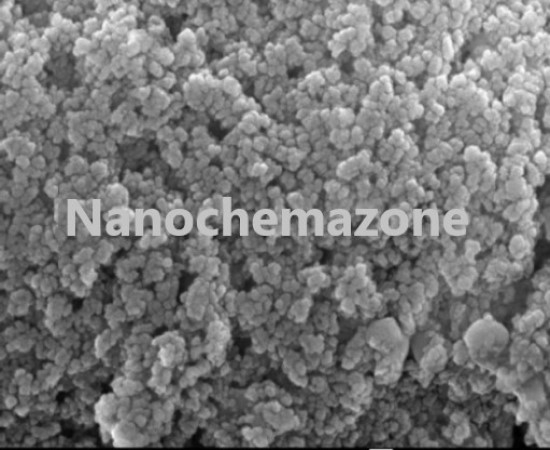

Aluminum Hydroxide Nanoparticles Dispersion
₹0.00
Aluminum Hydroxide Nanoparticles Dispersion
Product Name: Aluminum Hydroxide Nanoparticles Dispersion
| Product | Aluminum Hydroxide Nanoparticles Dispersion |
| CAS No. | 21645-51-2 |
| Appearance | White |
| Purity | 99.9% |
| APS | 10 nm (Can be customized) |
| Ingredient | Al(OH)3 |
| Product Code | NCZ-NSC463/20 |
Aluminum Hydroxide Dispersion
Aluminum hydroxide also finds use as a fire retardant filler for polymer applications in a similar way to magnesium hydroxide and hydromagnesite. It decomposes at about 180 °C, absorbing a considerable amount of heat in the process and giving off water vapor. In addition to behaving as a fire retardant, Aluminum Hydroxide Nanoparticles Dispersion is very effective as a smoke suppressant in a wide range of polymers, most especially in polyesters, acrylics, ethylene vinyl acetate, epoxies, PVC, rubber.
The major other uses of Aluminum Hydroxide Nanoparticles Dispersion is as a feedstock for the manufacture of other aluminum compounds: specialty calcined aluminas, aluminum sulfate, polyaluminium chloride, aluminum chloride, zeolites, sodium aluminate, activated alumina, aluminum nitrate.
Annual production is some 100 million tonnes, over 90% of which is converted to aluminum oxide (alumina) which is used in the manufacture of aluminum metal; Pharmacologically, this compound is used as an antacid under names such as Alu-Cap, Aludrox or Pepsamar. The Aluminum Hydroxide Nanoparticles Dispersion reacts with excess acid in the stomach, reducing its acidity.
Aluminum Hydroxide Dispersion Related Product
Alumina Al2O3 Spherical Powder / Aluminum Oxide Spherical Powder Alpha, 800nm
Alumina Al2O3 Powder / Aluminum Oxide Powder Alpha, 500nm, 800nm, 1000nm
Aluminum Oxide Nanopowder / Nanoparticles (Al2O3, alpha, 99+%, 80 nm)
Aluminum Oxide Nanopowder / Nanoparticles (Al2O3, alpha, High Purity 99.9%, 135nm)
Aluminum Oxide Nanopowder / Nanoparticles (Al2O3, alpha, High Purity 99.9%, 200nm)
Aluminum Oxide Nanopowder / Nanoparticles (Al2O3, alpha, High Purity 99.9%, 300nm)
Alpha Aluminum Oxide Nanoparticles Coated with Aluminic Ester
Aluminum Oxide Nanopowder / Nanoparticles (Al2O3, gamma, 99.99%, 5nm)
Aluminum Oxide Nanopowder / Nanoparticles (Al2O3, gamma, 99+%, 20nm)
Aluminum Oxide (Al2O3) Nanopowder / Nanoparticles (Al2O3, gamma, 99.5% 80nm)
Alumina Nanoparticles (Al2O3, 80% alpha / 20% gamma, 99.9%, 50nm)
Alumina Nanoparticles (Al2O3, 50% alpha / 50% gamma, 99.9%, 50nm)
Alumina Nanoparticles (Al2O3, 20% alpha / 80% gamma, 99.9%, 50nm)
Alumina Nanoparticles (Al2O3, Amorphous, 50nm, Al2O3 93wt%, H2O 6-7wt%)
Aluminum Hydroxide Al(OH)3 Nanopowder / Nanoparticles (Al(OH)3, 99.9%, 10nm)
Aluminum Hydroxide Al(OH)3 Nanopowder / Nanoparticles (Al(OH)3, 99.9%, 50nm)
Aluminum Hydroxide Al(OH)3 Nanopowder / Nanoparticles (Al(OH)3, 99.9%, 100nm)
Aluminum Hydroxide Dispersion Related Information
Storage Conditions:
Airtight sealed, avoid light, and keep dry at room temperature.
Please contact us for customization and price inquiry
Email: contact@nanochemazone.com
Note: We supply different size ranges of Nano and micron as per the client’s requirements and also accept customization in various parameters.
Note: For pricing & ordering information, please contact us at sales@nanochemazone.com
Please contact us for quotes on Larger Quantities & Customization. E-mail: contact@nanochemazone.com
Customization:
If you are planning to order large quantities for your industrial and academic needs, please note that customization of parameters (such as size, length, purity, functionalities, etc.) are available upon request.
You must be logged in to post a review.
Related products
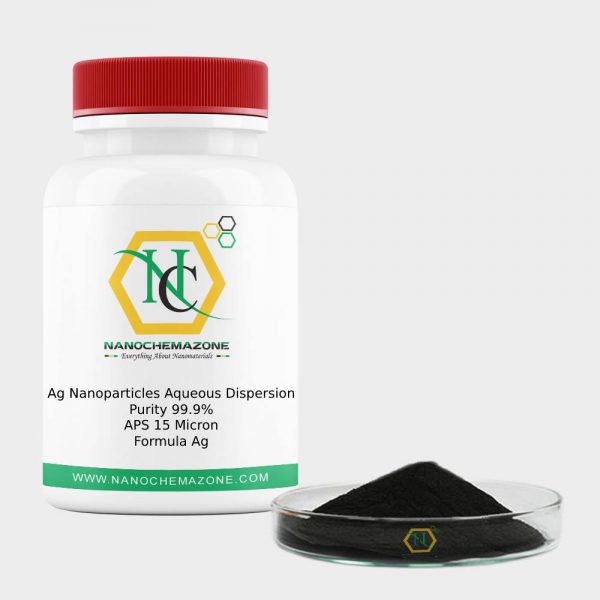
Ag Nanoparticles Aqueous Dispersion
Product Name: Ag Nanoparticles Aqueous Dispersion
| Product | Ag Nanoparticles Aqueous Dispersion |
| CAS No. | 7440-22-4 |
| Appearance | Gray Powder |
| Purity | 99.9% |
| APS | 30 nm (Can be customized) |
| Ingredient | Ag |
| Product Code | NCZ-NSC414/20 |
Silver Ag Dispersion Description :
There are many ways silver nanoparticles can be synthesized; one method is through monosaccharides. This includes glucose, fructose, maltose, maltodextrin, etc., but not sucrose.
Ag Nanoparticles Aqueous Dispersion is also a simple method to reduce silver ions back to silver nanoparticles as it usually involves a one-step process. There have been methods that indicated that these reducing sugars are essential to the formation of silver nanoparticles.
Many studies indicated that this method of green synthesis, specifically using Cacumen platycladi extract, enabled the reduction of silver. Additionally, the size of the nanoparticle could be controlled depending on the concentration of the extract. Ag Nanoparticles Aqueous Dispersion that the higher concentrations correlated to an increased number of nanoparticles.
Smaller nanoparticles were formed at high pH levels due to the concentration of the monosaccharides. Another method of silver nanoparticle synthesis includes the use of reducing sugars with alkali starch and silver nitrate.
The reducing sugars have free aldehyde and ketone groups, which enable them to be oxidized into gluconate. The monosaccharide must have a free ketone group because to act as a reducing agent it first undergoes tautomerization. Besides, if the aldehydes are bound, it will be stuck in cyclic form and cannot act as a reducing agent.
For example, glucose has an aldehyde functional group that can reduce silver cations to silver atoms and is then oxidized to gluconic acid. The reaction for the sugars to be oxidized occurs in aqueous solutions.
The capping agent is also not present when heated.The growth of nanoseeds involves placing the seeds into a growth solution. The growth solution requires a low concentration of a metal precursor, ligands that will readily exchange with preexisting seed ligands, and a weak or very low concentration of reducing agent. The reducing agent must not be strong enough to reduce metal precursors in the growth solution in the absence of seeds.
Otherwise, the growth solution will form new nucleation sites instead of growing on preexisting ones (seeds). Growth is the result of the competition between surface energy (which increases unfavorably with growth) and bulk energy (which decreases favorably with growth).
The balance between the energetics of growth and dissolution is the reason for uniform growth only on preexisting seeds (and no new nucleation). Growth occurs by the addition of metal atoms from the growth solution to the seeds, and ligand exchange between the growth ligands (which have a higher binding affinity) and the seed ligands.
The range and direction of growth can be controlled by nano speed, the concentration of metal precursor, ligand, and reaction conditions (heat, pressure, etc.). Controlling stoichiometric conditions of growth solution controls the ultimate size of the particle. For example, a low concentration of metal seeds to metal precursors in the growth solution will produce larger particles.
Capping agent has been shown to control the direction of growth and thereby shape. Ligands can have varying affinities for binding across a particle. Differential binding within a particle can result in dissimilar growth across particles. This produces anisotropic particles with nonspherical shapes including prisms, cubes, and rods.
Silver Ag Dispersion Related Information
Storage Conditions:
Airtight sealed, avoid light and keep dry at room temperature.
Please contact us for customization and price inquiry
Email: contact@nanochemazone.com
Note: We supply different size ranges of Nano and micron as per the client’s requirements and also accept customization in various parameters.
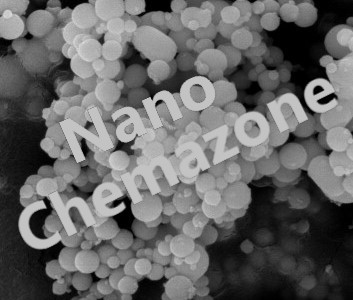
Aluminum Powder Dispersion
| MF: | Al |
| Chemical Name: |
Aluminum powder Dispersion |
| Purity: | >99.99% |
| APS: | 80 nm (Size Customization possible) |
| Form: | Nanodispersion |
| Product Number: | NCZD101 |
| CAS Number | 7429-90-5 |
Please contact us for customization and price inquiry.
Note: We supply different size products of micro and Nano Size range dispersion according to client’s requirements
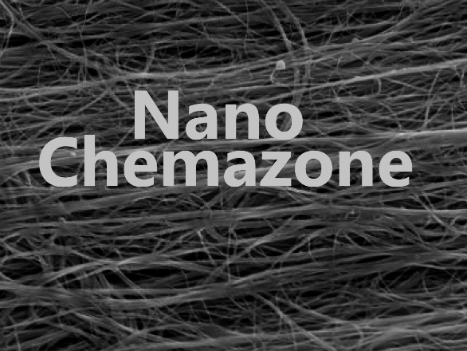
Carbon Nano Fiber Dispersion organic solvent
| MF: | C |
| Chemical Name: | Carbon nanofiber Dispersion |
| Purity: | >95% |
| APS: | 500-600nm (Size Customization possible) |
| Form: | Dispersion |
| Product Number: | NCZD1702 |
| CAS Number | 7782-42-5 |
Please contact us for customization and price inquiry.
Note: We supply different size products of micro and Nano Size range dispersion according to client’s requirements.
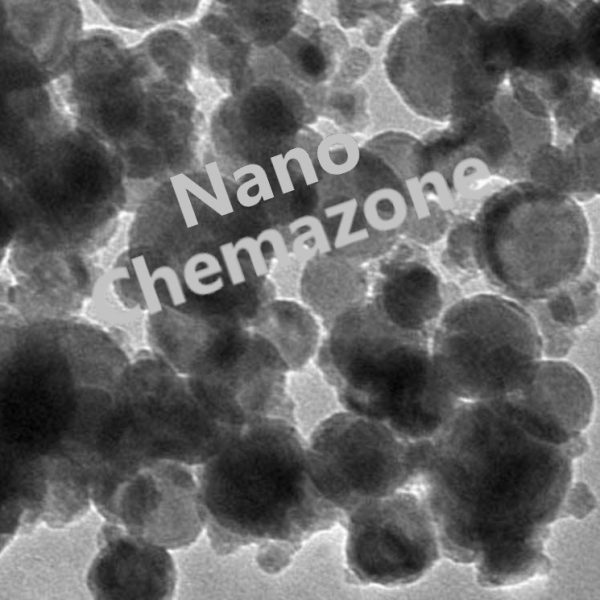
Copper Nanoparticles Ink
Copper Nanoparticles Ink
Copper Nanoparticles Paste
| MF: | Cu |
| Chemical Name: | Copper Nanoparticles ink |
| Purity: | >99.99% |
| APS: | < 80 nm (Size Customization possible) |
| Form: | viscous liquid |
| Product Number: | NCZD501 |
| CAS Number | 7440-50-8 |
Copper Nanoparticles Applications:
The key applications of copper nanoparticles are listed below:
Copper nanoparticles based ink for screen printed circuits and electrode fabrication for electrochemistry.
Acts as an anti-biotic, anti-microbial, and anti-fungal agent when added to plastics, coatings, and textiles. Copper diet supplements with efficient delivery characteristics. High strength metals and alloys.
Copper plays an important role in electronic circuits because of its excellent electrical conductivity and ideal material for Thermal, electronic, and biomedical applications such as antimicrobial, Dental Health care and antiviral mask, and gloves coating.
Please contact us for customization and price inquiry.
Note: We supply different size products of micro and Nano Size range dispersion according to the client’s requirements.
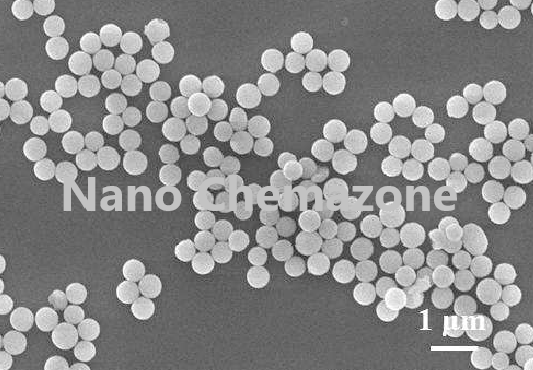

Niobium Doped Titanium Dioxide Dispersion
Niobium Doped Titanium Dioxide Dispersion
Niobium Doped Titanium Dioxide Dispersion (Nb/TiO2, IPA, 99.9%, 2-5 µm)
| Product | Niobium Doped TiO2 Dispersion |
| Product Number | NCZ-D109-N |
| CAS | 13463-67-7 |
| HS Code | 32061110 |
| APS | 2-5 µm (Size customization is possible) |
| Purity | 99.9% |
| Molecular Formula | Nb/TiO2 |
| Form | Dispersion (Also available in powder form) |
| PH value | 7.5±1.5 |
| Solvent | IPA/Ethanol |
| Content | 3-5 wt% |
| Density | 1.7 g/mL±0.1 g/mL at 25 °C |
| Doping | Niobium (Nb) Doped |
Please contact us for customization and price inquiry.
Note: We supply different size products of micro and Nano Size range dispersion according to client’s requirements.
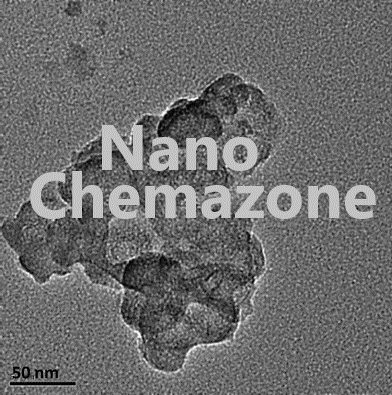
Niobium Nanopowder Dispersion with EDA Ligand
| MF: | Nb |
| Chemical Name: | Niobium Nanoparticles Dispersion |
| Purity: | > 99.99% |
| APS: | 80-100 nm (Size Customization possible) |
| Form: | nanodispersion |
| Product Number: | NCZD801 |
| CAS Number | 7440-03-1 |
Please contact us for customization and price inquiry.
Note: We supply different size products of micro and Nano Size range dispersion according to client’s requirements.
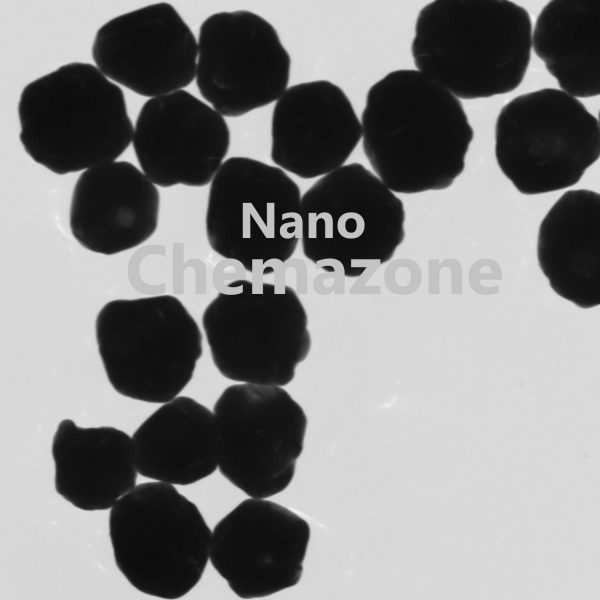
Silver Dispersion Nanoparticles
Silver Nanoparticles Dispersion
Colloidal Silver Dispersion
Silver Dispersion Nanoparticles
| MF: | Ag |
| Chemical Name: | Silver Dispersion Nanoparticles |
| Purity: | > 99.99% |
| APS: | 70 nm (Size Customization possible) |
| Form: | Nano dispersion |
| Product Number: | NCZD1001 |
| CAS Number | 7440-22-4 |
Applications:
The antibacterial effects of silver nanoparticles have been used to control bacterial growth in a variety of applications, including dental work, surgery applications, wounds and burns treatment, and biomedical devices. It is well known that silver ions and silver-based compounds are highly toxic to microorganisms.
Please contact us for customization and price inquiry.
Note: We supply different size products of micro and Nano Size range dispersion according to the client’s requirements.


Zinc Oxide Slurry
| MF: | ZnO |
| Chemical Name: | Zinc Oxide Slurry |
| Purity: | > 99.99% |
| APS: | 50-80 nm (Size Customization possible) |
| Form: | Nano Slurry |
| Product Number: | NCZD3102 |
| CAS Number | 1314-13-2 |
Please contact us for customization and price inquiry.
Note: We supply different size products of micro and Nano Size range dispersion according to the client’s requirements.
Reviews
There are no reviews yet.