


Gold Nickel Alloy
₹0.00
Gold Nickel Alloy
| Product |
Gold Nickel Alloy |
| Colour | N/A |
| Purity | 99% |
| Size | 3 mm – 6 mm.(Customizable) |
| Ingredient/MF | AuNi |
| Product Code | NCZ-CP-263/20 |
| Density | N/A |
| CAS No | N/A |
Gold Nickel Alloy Description
Nickel is a chemical element with the symbol Ni and atomic number 28. It is a silvery-white lustrous metal with a slight golden tinge. Nickel belongs to the transition metals and is hard and ductile. Pure nickel powdered to maximize.
The reactive surface area shows a significant chemical activity, but larger pieces are slow to react with air under standard conditions because an oxide layer forms on the surface and prevents further corrosion (passivation).
Even so, pure native nickel is found in Earth’s crust only in tiny amounts, usually in ultramafic rocks, and in the interiors of larger nickel–iron meteorites that were not exposed to oxygen when outside Earth’s atmosphere.
Meteoric nickel is found in combination with iron, a reflection of the origin of those elements as major end products of supernova nucleosynthesis. An iron–nickel mixture is thought to compose Earth’s outer and inner cores.
Use of nickel (as a natural meteoric nickel–iron alloy) has been traced as far back as 3500 BCE. Nickel was first isolated and classified as a chemical element in 1751 by Axel Fredrik Cronstedt, who initially mistook the ore for a copper mineral, in the cobalt mines of Los, Hälsingland, Sweden.
The element’s name comes from a mischievous sprite of German miner mythology, Nickel (similar to Old Nick), who personified the fact that copper-nickel ores resisted refinement into copper. An economically important source of nickel is the iron ore limonite, which often contains 1–2% nickel. Nickel’s other important ore minerals include pentlandite and a mixture of Ni-rich natural silicates known as garnierite. Major production sites include the Sudbury region in Canada (which is thought to be of meteoric origin), New Caledonia in the Pacific, and Norilsk in Russia.
Nickel is slowly oxidized by air at room temperature and is considered corrosion-resistant. Historically, it has been used for plating iron and brass, coating chemistry equipment, and manufacturing certain alloys that retain a high silvery polish, such as German silver.
About 9% of world nickel production is still used for corrosion-resistant nickel plating. Nickel-plated objects sometimes provoke nickel allergy. Nickel has been widely used in coins, though its rising price has led to some replacement with cheaper metals in recent years.
Nickel is one of four elements (the others are iron, cobalt, and gadolinium) that are ferromagnetic at approximately room temperature. Alnico permanent magnets based partly on nickel are of intermediate strength between iron-based permanent magnets and rare-earth magnets.
The metal is valuable in modern times chiefly in alloys; about 68% of world production is used in stainless steel. A further 10% is used for nickel-based and copper-based alloys, 7% for alloy steels, 3% in foundries, 9% in plating and 4% in other applications, including the fast-growing battery sector,including those in electric vehicles (EVs).
As a compound, nickel has a number of niche chemical manufacturing uses, such as a catalyst for hydrogenation, cathodes for batteries, pigments and metal surface treatments. Nickel is an essential nutrient for some microorganisms and plants that have enzymes with nickel as an active site.
Related Information
Please email us for the customization.
Email: contact@nanochemazone.com
Please contact us for customization and price inquiry
Note: We supply different size ranges of Nano and micron as per the client’s requirements and also accept customization in various parameters.
Spherical High Speed Steel
Note: For pricing & ordering information, please contact us at sales@nanochemazone.com
Please contact us for quotes on Larger Quantities & Customization. E-mail: contact@nanochemazone.com
Customization:
If you are planning to order large quantities for your industrial and academic needs, please note that customization of parameters (such as size, length, purity, functionalities, etc.) are available upon request.
[/vc_column_text][/vc_column][/vc_row]
You must be logged in to post a review.
Related products
Aluminum Sulphide Powder
Aluminum Sulphide Powder
Product Name: Aluminum Sulphide Powder
| Product | Aluminum Sulphide |
| CAS No. | 1302-81-4 |
| Appearance | White Powder |
| Purity | 99.9% |
| APS | 1 – 5 Microns (Can be customized) |
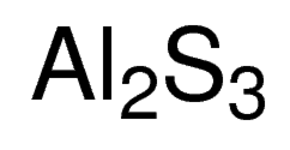
| Ingredient | Al2S3 |
| Product Code | NCZ-MP-S101 |
| Molecular Weight | 150.16 g/mol |
| Theoretical Density | 2.02 g/cm³ |
| Melting Point | 1,100°C (2,012°F) |
Al2S3 Description :
Sulfides
Inorganic sulfides are ionic compounds containing the sulfide ion S2−. Sulfide compounds can be used in a wide variety of applications including solid-state electrolytes, cathode materials in lithium-ion and thermal batteries, semi-conductors in thermoelectric devices, as part of phosphor compositions, as photovoltaic materials, as pigments, and a variety of other applications. Nanochemazone is a world-leading manufacturer in the production of sulfide compounds with one of the most comprehensive selections of sulfides and extensive sulfide-manufacturing expertise. Most sulfides are manufactured as powders in large batch quantities but certain commercial sulfides are available in large metric-ton quantities. Additionally, Nanochemazone can custom synthesis sulfides that may not be listed in our catalog and can modify sulfides to customer's specifications including producing mixed sulfides, non-stoichiometric compositions, or special purities and particle sizes.
Aluminum Sulfide Applications:
Aluminum sulfide, also known as aluminium sulphide, is a compound of aluminum and sulfur with the formula Al2S3. A colorless or gray solid with an exceptional sensitivity to moisture, aluminum sulfide is not to be confused with the more widely used aluminum sulfate, Al2(SO4)3. Exposed to the atmosphere or other sources of moisture, aluminum sulfide will hydrolize into aluminum hydroxides and hydrogen sulfide gas. This makes careful storage and handling a priority. Many of the most interesting applications of aluminum sulfide remain in the early research phases, with many researchers eager to explore its value in aluminum-sulfur energy story.- Energy storage. A subject of research in the production of aluminum-sulfur batteries, a potentially superior alternative to lithium batteries.
- Like several similar metal sulfides, aluminum sulfide may be of value for its photovoltaic properties at smaller scales.
- Useful for its reactivity in producing several commercially or academically valuable compounds.
- Aluminum source. Moderately water and acid soluble source for aluminum.
Carbon Activated Powder
Carbon Activated Powder
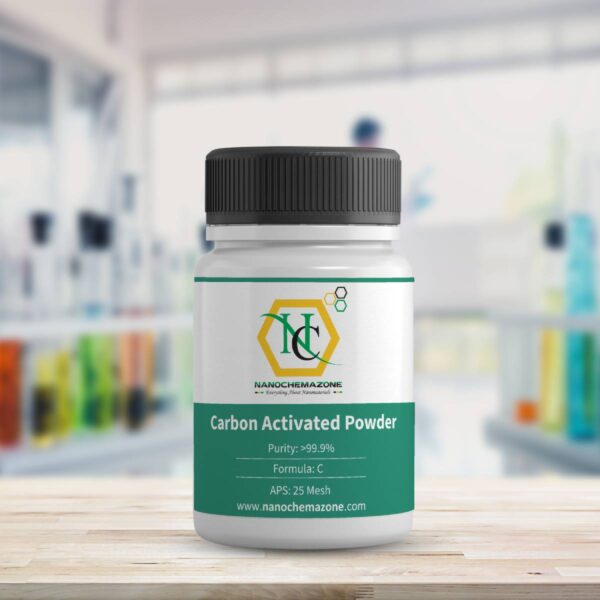
Product Name: Carbon Activated Powder (C, Purity: > 99.9% APS: 25 mesh)
| Product | Carbon Activated Powder |
| Cat No | NCZ-MN-158/20 |
| CAS No | 7440-44-0 |
| Purity | > 99.9% |
| APS | 25 mesh |
| Molecular Formula | C |
| Molecular Weight | 12.01g/mol |
| Form | Powder |
| Color | Black |
| Melting Point | 3550C (6422F) |
| Boiling Point | Sublimes |
| PH value | 5.0-10.0 |
| Specific Gravity | 250-600g/1 |
| % Volatiles by volume @ 21C (70F) | 0 |
| Vapor Density | 0.4 |
| Vapor pressure | 1 @ 3586C (6487F) |
| Solubility | Insoluble in water |
Carbon Micro Powder
Carbon Micro Powder
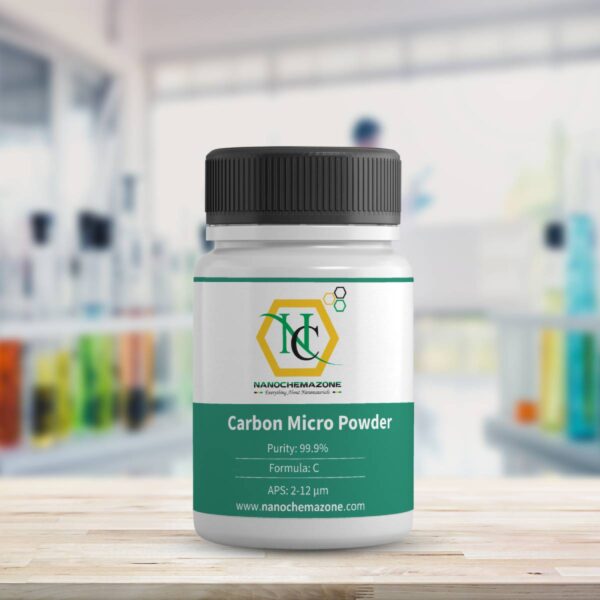
Product Name: Carbon Micro Powder (C, Purity: 99.9%, APS: 2-12 µm)
| Product | Carbon Micro Powder |
| Cat No | NCZ-MN-161/20 |
| CAS No | 7440-44-0 |
| Purity | 99.9% |
| APS | 2-12µm |
| Molecular Formula | C |
| Molecular Weight | 12.01g/mol |
| Form | Powder |
| Color | Black |
| Density | 2.2g/cm³ |
| Melting Point | 3652-3697 ºC |
| Boiling Point | 4200 ºC |
| Thermal Conductivity | 119-165 W/m/ |
| Solubility | Soluble in Water |
Indium Arsenide Powder
Indium Arsenide Powder
Product Name: Indium Arsenide Powder (InAs, Purity: 99.9%, APS: 40-50 µm)
| Product | Indium Arsenide Powder |
| Cat No | NCZ-NSC813/20 |
| CAS No | 1303-11-3 |
| Purity | 99.9% |
| APS | 40-50µm |
| Molecular Formula | InAs |
| Molecular Weight | 189.740g/mol |
| Form | Powder |
| Color | Gray |
| Density | 5.67g/cm3 |
| Melting Point | 942°C |
| Refractive Index | 3.51 |
| Dielectric Constant | 15.15 |
| Electrton Mobility | 40000(cm2/(V*s)) |
| Storage | Normal Room Temperature |
| Thermal Conductivity | 0.27(300K (W/cm•K)) |
| Specific Heat Capacity | 47.8 J•mol-1•K-1 |
| Solubility in water | Insoluble in water |
Indium Gallium Arsenide Nanopowder
Indium Gallium Arsenide Nanopowder
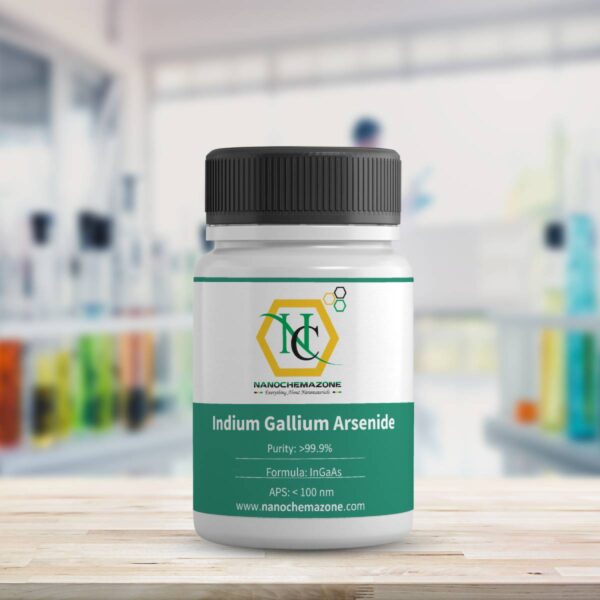
Product Name: Indium Gallium Arsenide Nanopowder (InGaAs, Purity: 99.9%, APS: < 100 nm)
| Product | Indium Gallium Arsenide Nanopowder |
| Cat No | NCZ-NSC814/20 |
| CAS No | 106097-59-0 |
| Purity | 99.9% |
| APS | < 100 nm |
| Molecular Formula | InGaAs |
| Molecular Weight | 259.46 g/mol |
| Form | Crystalline Powder |
| Color | White |
| Density | 5.68 g/cm³ |
| Melting Point | 844 °C |
| Conclusion | The specifications Confirm with enterprise standard |
Indium Gallium Arsenide Related Information
Storage Conditions: Airtight sealed, avoid light, and keep dry at room temperature. Please contact us for customization and price inquiry Email: contact@nanochemazone.com Note: We supply different size ranges of Nano and micron as per the client’s requirements and also accept customization in various parameters.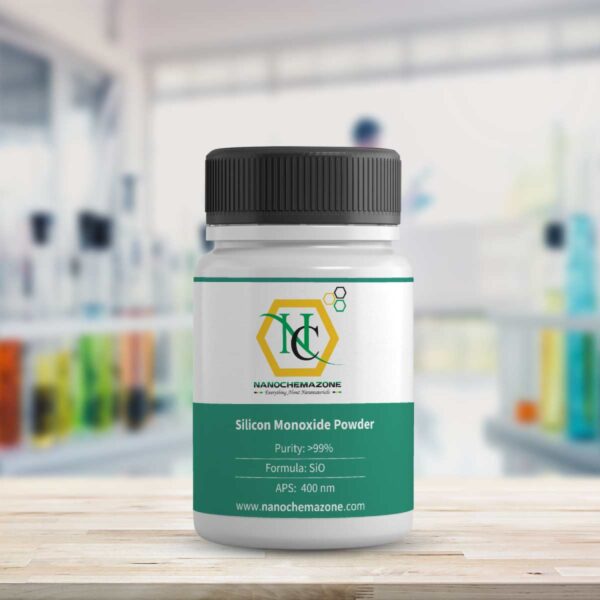
Silicon Monoxide Powder
Silicon Monoxide (SiO)
Product Name: Silicon Monoxide Powder| Product Name | Silicon Monoxide |
| Cat No. | NCZ-MN-056/20 |
| CAS No. | 10097-28-6 |
| MF | SiO |
| Purity | >99% |
| APS | 400 nm (Customizable) |
| Appearance | Black Brown Powder |
| Molecular Weight | 44.08 |
| Melting Point | 1702°C |
| Boiling Point | 1880°C |
| Density | 2.13g/cm³ |
| Refractive index | 1.980 |
| Application | Plating of optical equipment such as lens |
| Crushing to submicron level below D50 | 500 nm is also available |
Silicon Monoxide Chemical component (standard value): ppm max
| Fe | <20 ppm |
| Al | <20 ppm |
| Cu | <10 ppm |
| Ti | <10 ppm |
| Ca | <10 ppm |
| Mn | <30 ppm |
Silicon Monoxide Application Fields:
Lithium-ion secondary battery anode material precursors to prepare silicon-based anode material Fine ceramic, synthetic raw materials; such as silicon nitride and silicon carbide Because silicon monoxide fine powder is very active, it can be used as fine ceramic, synthetic raw materials, such as silicon nitride and silicon carbide fine ceramic powder raw materials. Used for the preparation of optical glass and semiconductor materials.
Evaporate it in a vacuum and coat it on the metal mirror surface of the optical instrument as a protective film. Preparation of semiconductor materials.
The hunt is on advanced battery materials with enhanced storage capacity, higher energy density, and better cycle characteristics than traditional lithium-ion batteries. Conventional lithium-ion batteries rely on graphite-based anodes, whose well-established properties aren’t ideal for meeting the growing consumer demand for high-performance electronics, such as smartphones, laptops, and electric vehicles. Current research focuses on developing new alternatives that perform better and are safer than lithium-ion, and Nanochemazone is leading the way.
Silicon monoxide is a promising alternative to graphite because of its high specific gravity, low volume expansion, and small initial surface area. Silicon-based anodes can increase capacity ten times over standard graphite, allowing smaller batteries to produce the same amount of power or increasing the ability of a battery of the same size. This is possible because of the internal channels within the silicon monoxide Nanospheres. These channels allow lithium ions to flow rapidly for quick charging, and they shorten the paths for a boost in power.
Nanochemazone offers a 99.99% pure silicon monoxide powder prepared using chemical vapor deposition, suitable for secondary battery anode material precursors to prepare silicon-based anode materials and fine ceramic, synthetic raw materials. Our silicon monoxide battery material is prized by researchers and innovators around the world for its quality, purity, and consistency.
Silicon Monoxide SiO Related Information
Silicon Monoxide Powder Storage Conditions: Airtight sealed, avoid light and keep dry at room temperature. Please contact us for customization and price inquiry Email: contact@nanochemazone.com Note: We supply different size ranges of Nano and micron as per the client’s requirements and also accept customization in various parameters.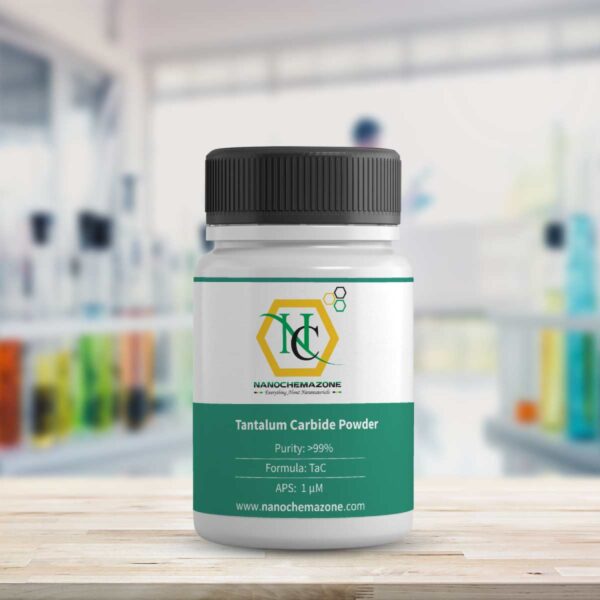
Tantalum Carbide Powder
Tantalum Carbide Powder
Tantalum Carbide Powder (TaC, Purity: 99.9%, APS: 1000 nm, Cubic)| Product | Tantalum Carbide Powder |
| Cat No | NCZ-MN-260/20 |
| CAS No | 12070-06-3 |
| APS | 1000 nm (customizable) |
| Purity | 99.9% |
| Molecular Formula | TaC |
| Molecular Weight | 192.96 g/mol |
| Form | Powder |
| Color | Gray |
| Density | 14.30 g/cm³ |
| Melting Point | 3,880 °C |
| Boiling Point | 4,780 °C |
| Solubility | Insoluble in water |
Tantalum Carbide Application:
Tantalum Carbide Powder Applications
1. Tantalum carbide is often added to tungsten carbide/cobalt (WC/Co) powder attritions to enhance the physical properties of the sintered structure. It also acts as a grain growth inhibitors preventing the formation of large grains, thus producing materials of optimal hardness. 2. It is also used as a coating for steel molds in the injection molding of aluminum alloys. While providing a hard, wear-resistant surface, it also provides a low friction mold surface. 3. Tantalum carbide is also used in the production of sharp instruments with extreme mechanical resistance and hardness. 4. It is also used in tool bits for cutting tools. Tantalum carbide is widely used as a sintering additive in ultra-high temperature ceramics (UHTCs) or as a ceramic reinforcement in high-entropy alloys (HEAs) due to its excellent physical properties in melting point, hardness, elastic modulus, thermal conductivity, thermal shock resistance, and chemical stability, which makes it a desirable material for aircraft and rockets in aerospace industries. Nanochemazone specializes in producing high purity Tantalum Carbide Powder with the smallest possible average grain sizes for use in the preparation of pressed and bonded sputtering targets and in Chemical Vapor Deposition (CVD) and Physical Vapor Deposition (PVD) processes including Thermal and Electron Beam (E-Beam) Evaporation, Low-Temperature Organic Evaporation, Atomic Layer Deposition (ALD), Metallic-Organic and Chemical Vapor Deposition (MOCVD). Powders are also useful in any application where high surface areas are desired such as water treatment and in fuel cell and solar applications. Nanoparticles also produce very high surface areas. Our standard powder particle sizes average in the range of - 325 mesh, - 100 mesh, 10-50 microns, and submicron (< 1 micron). We can also provide many materials in the nanoscale range.Tantalum Carbide Related Information
Storage Conditions: Airtight sealed, avoid light and keep dry at room temperature. Please contact us for customization and price inquiry Email: contact@nanochemazone.com Note: We supply different size ranges of Nano and micron as per the client’s requirements and also accept customization in various parameters.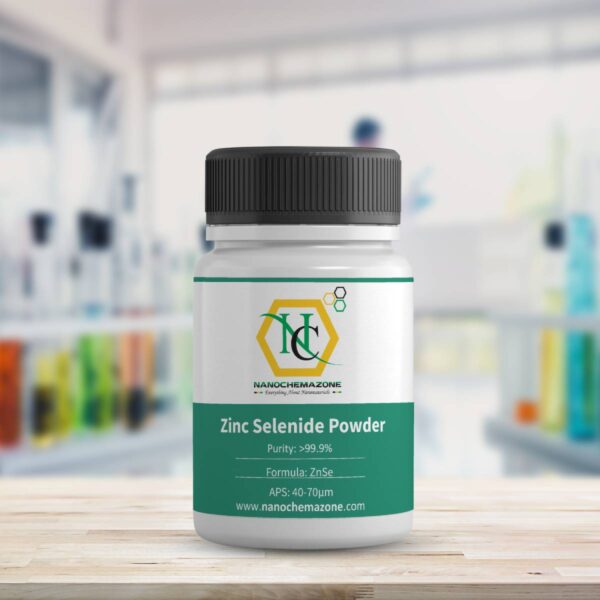
Zinc Selenide Powder
Zinc Selenide Powder
Product Name: Zinc Selenide Powder (ZnSe, >99.9%, APS: 40-70µm)
| Product | Zinc Selenide Powder |
| Cat No | NCZ-NSC817/20 |
| CAS No | 1315-09-9 |
| Purity | >99.9 % |
| APS | 40-70µm (Can be customized) |
| Molecular Formula | ZnSe |
| Molecular Weight | 144.35 g/mol |
| Color | Yellow |
| Density | 5.27 g/cm³ |
| Melting Point | 1525 °C |
| Linear Expansion Coefficient | 7.57x10⁻⁶ @ 20°C |
| Young Modulus | 67.2 GPa |
| Thermal Conductivity | 18 Wm |
| Solubility in water | Insoluble in water |
Reviews
There are no reviews yet.