
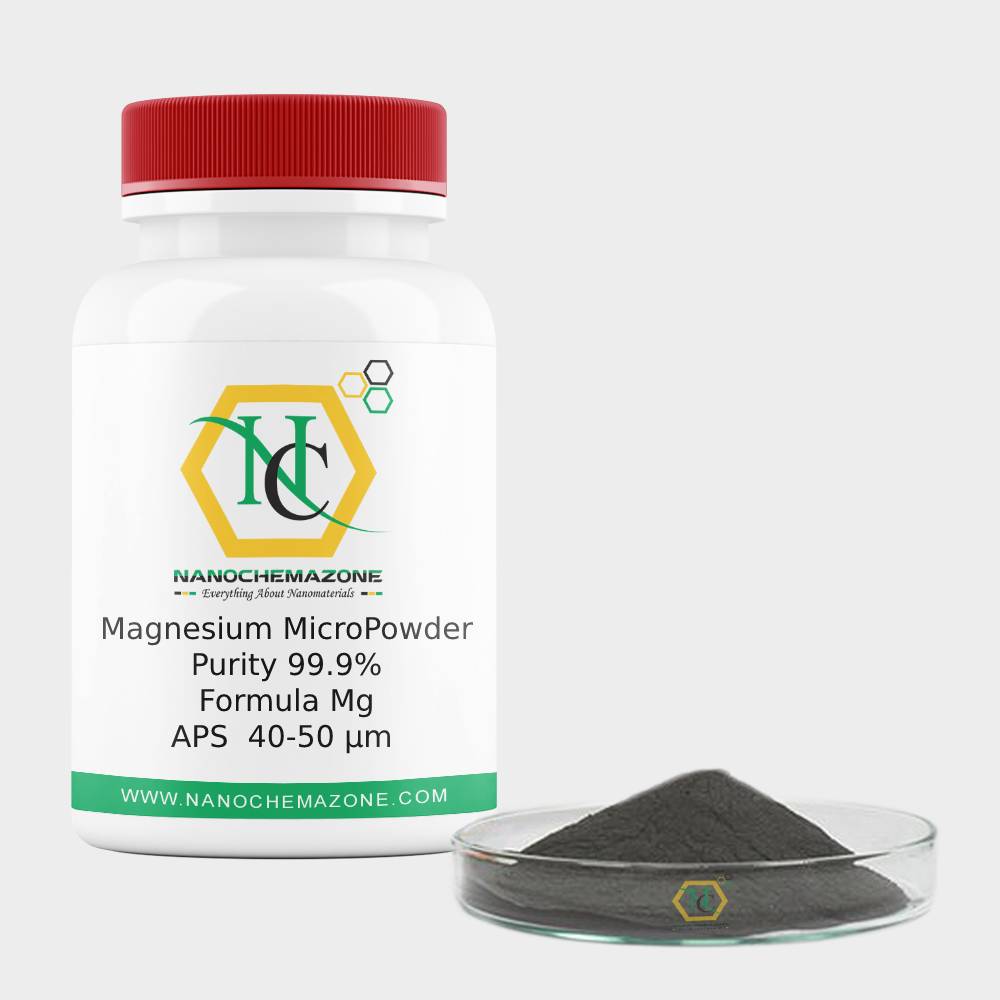


Magnesium Micro Powder
₹0.00
Magnesium Micro Powder
Product Name: Magnesium Micro Powder
| Product | Magnesium Micro Powder |
| CAS No. | 7439-95-4 |
| Appearance | Gray Powder |
| Purity | 99.9% |
| APS | 40-50 µm (Can be customized) |
| Ingredient | Mg |
| Product Code | NCZ-NSC338/20 |
Magnesium Micro Powder Description
Magnesium Micro Powder is a chemical element with the symbol Mg and atomic number. It is a shiny gray solid which bears a close physical resemblance to the other five elements in the second column or alkaline earth metals of the periodic table:
all group elements have the same electron configuration in the outer electron shell and a similar crystal structure. Magnesium is the ninth most abundant element in the universe. It is produced in large, aging stars from the sequential addition of three helium nuclei to a carbon nucleus. When such stars explode as supernovas, much of the magnesium is expelled into the interstellar medium where it may recycle into new star systems.
Magnesium is the eighth-most abundant element in the Earth’s crust and the fourth most common element in the Earth (after iron, oxygen, and silicon), making up 13% of the planet’s mass and a large fraction of the planet’s mantle. It is the third most abundant element dissolved in seawater, after sodium and chlorine. Magnesium occurs naturally only in combination with other elements, where it invariably has a +2 oxidation state. The free element (metal) can be produced artificially and is highly reactive (though in the atmosphere, it is soon coated in a thin layer of oxide that partly inhibits reactivity – see passivation). The free metal burns with a characteristic brilliant-white light.
The metal is now obtained mainly by electrolysis of magnesium salts obtained from brine and is used primarily as a component in aluminum-magnesium alloys, sometimes called magnalium or magnelium. Magnesium is less dense than aluminum, and the alloy is prized for its combination of lightness and strength. Magnesium is the eleventh most abundant element by mass in the human body and is essential to all cells and some 300 enzymes. Magnesium ions interact with polyphosphate compounds such as ATP, DNA, and RNA. Hundreds of enzymes require magnesium ions to function. Magnesium compounds are used medicinally as common laxatives, antacids e.g., milk of magnesia, and to stabilize abnormal nerve excitation or blood vessel spasm in such conditions as eclampsia.
Related Information of Magnesium Micro Powder
Storage Conditions:
Airtight sealed, avoid light and keep dry at room temperature.
Please contact us for customization and price inquiry
Email: contact@nanochemazone.com
Note: We supply different size ranges of Nano and micron as per the client’s requirements and also accept customization in various parameters.
Note: For pricing & ordering information, please contact us at sales@nanochemazone.com
Please contact us for quotes on Larger Quantities & Customization. E-mail: contact@nanochemazone.com
Customization:
You must be logged in to post a review.
Related products
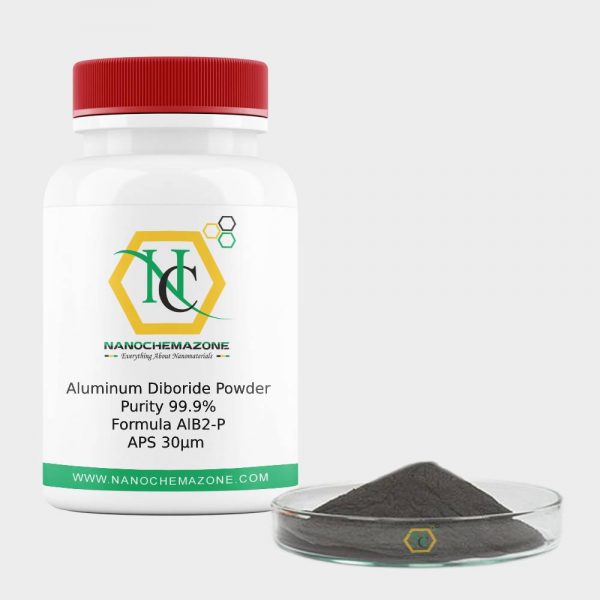
Aluminum Diboride Powder
Aluminum Diboride Powder
| MF: | AlB2-P |
| Chemical Name | Aluminum Diboride |
| Color | Gray Black |
| EINECS | 234-923-7 |
| Purity: | 99.9% |
| Particle size | 30µm |
| Product Number: | NCZ-SC-113/20 |
| Cas Number: | 12041-50-8 |
Aluminum Diboride Powder Description
Aluminum boride Powder is an ionic compound, with a hexagonal crystal structure. Aluminum boride at an absolute temperature slightly 40K (equivalent to -233 ℃) will be transformed into a superconductor. And its actual operating temperature is 20 ~ 30K. To reach this temperature, we can use liquid neon, liquid hydrogen, or closed-cycle refrigerator to finish cooling. Compared to the current industry using liquid helium to cool the niobium alloy (4K), these methods are simpler and more economical. Once it is doped with carbon or other impurities, magnesium diboride powder in a magnetic field, or there is a current passing, the ability to maintain the superconducting is as much as niobium alloys, or even better.
Aluminum Diboride Powder Related Information
Please email us for the customization. Email: contact@nanochemazone.com Please contact us for customization and price inquiry Note: We supply different size ranges of nano and micron size powder as per the client’s requirements and also accept customization in various parameters.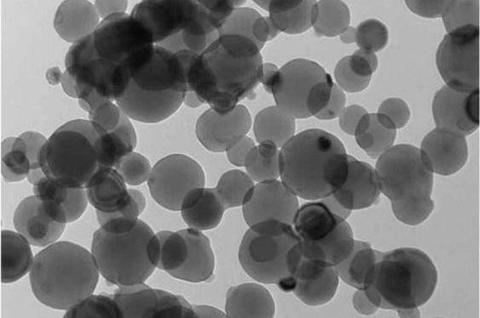
Aluminum Powder
Aluminum Powder
Product Name: Al Powder
| Product | Al Powder |
| CAS No. | 7429-90-5 |
| Appearance | Grey |
| Purity | 99.9% |
| APS | 1 – 5 Micron (Can be customized) |
| Ingredient | Al+3 |
| Product Code | NCZ-NSC-163/20 |
Description of Al (Aluminum Powder)
| 3D printing metal Powder Powder metallurgy, injection molding, spray painting, etc. |
Al Powder Related Information
Storage Conditions:
Airtight sealed, avoid light, and keep dry at room temperature. Please email us for the customization. Email: contact@nanochemazone.com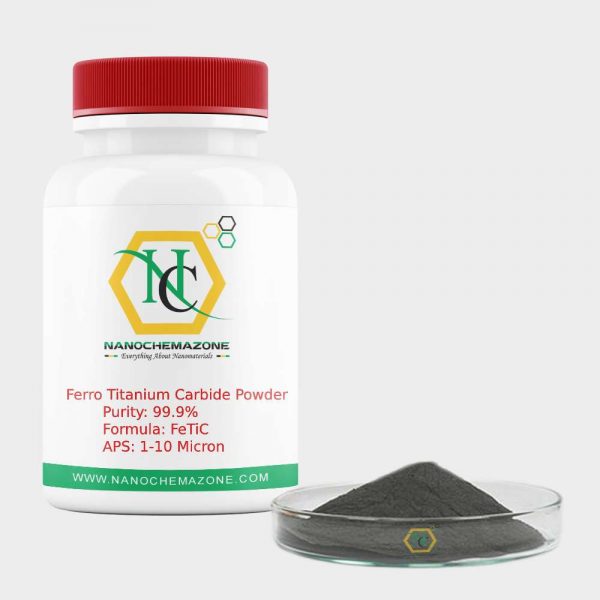
Ferro Titanium Carbide Powder
Product Name: Ferro Titanium Carbide Powder
| Product | Ferro Titanium Carbide Powder |
| Colour | Gray Powder |
| Purity | ≥ 99.9% |
| Particle size | 1-10 µM (customizable) |
| Ingredient/MF | FeTiC |
| Product Code | NCZ-C-102/20 |
| CAS Number | 12604-56-7 |
Application of Ferro Titanium carbide powder:
In the present study, Fe-based hardfacing coating reinforced by TiC particles was obtained by manual shielded metal arc welding (SMAW) in which H08A bare electrode was coated with fluxes, to which different measures of ferrotitanium, rutile, graphite, calcium carbonate, and calcium fluoride had been added.
The microstructure and wear properties of the hardfacing coating were studied through scanning electron microscopy (SEM), transmission electron microscopy (TEM), an X-ray diffractometer (XRD), and a wear test.
The results indicate that TiC particles are produced by a direct metallurgical reaction between ferrotitanium and graphite during welding.
TiC particles are uniformly dispersed in the matrix of lath martensite and retained austenite with particle sizes in the range of 3–5 μm. Fe-based hardfacing coating reinforced by TiC particles is found to possess better wear resistance and a lower coefficient of friction than that of the AISI 1045 steel substrate.
Please email us for the customization. Email: contact@nanochemazone.com Please contact us for customization and price inquiry Note: We supply different size ranges of Nano and micron as per the client’s requirements and also accept customization in various parameters.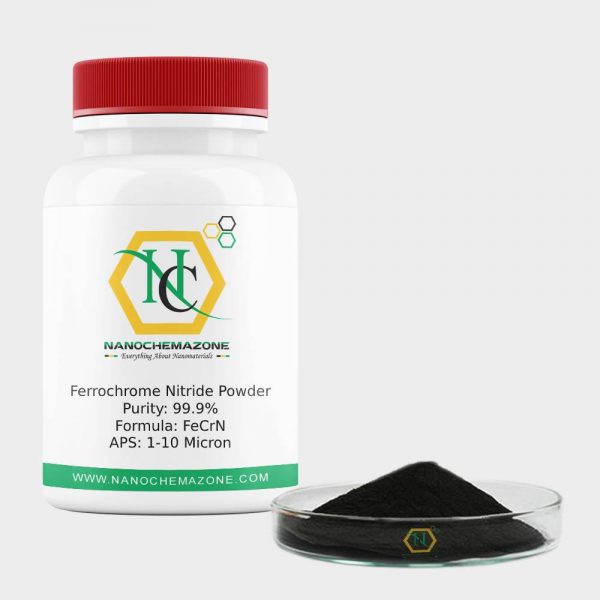
Ferrochrome Nitride Powder
Ferrochrome Nitride Powder
Product Name: Ferrochrome Nitride Powder
| Product | Ferrochrome Nitride Powder |
| Colour | Black Powder |
| Purity | ≥ 99.9% |
| Particle size | 1-10 µM (customizable) |
| Ingredient/MF | FeCrN |
| Product Code | NCZ-CN-151/20 |
| CAS Number | 7439-89-6, / 24094-93-7 |
Ferrochrome Nitride Powder Description:
Ferrochrome nitride is widely used in electric furnace and oxygen converter smelting nitrogen steel. Nitrogen is an element of austenite formation, It is used as a component to add chromium manganese and chromium manganese nickel stainless steel to replace the shortage of nickel.Ferrochrome Nitride Powder Application:
Ferrochrome, or ferrochromium (FeCr) is a type of ferroalloy, that is, an alloy of chromium and iron, generally containing 50 to 70% chromium by weight.
Ferrochrome is produced by electric arc carbothermic reduction of chromite. Most of the global output is produced in and India, which have large domestic chromite resources. Increasing amounts are coming from Russia and China.
Production of steel, especially that of stainless steel with a chromium content of 10 to 20%, is the largest consumer and the main application of ferrochrome.
Ferrochrome production is essentially a carbothermic reduction operation taking place at high temperatures. Chromium ore (an oxide of Cr and Fe) is reduced by coal and coke to form the iron-chromium alloy.
The heat for this reaction can come from several forms, but typically from the electric arc formed between the tips of electrodes at the bottom of the furnace and the furnace hearth.
This arc creates temperatures of about 2,800 °C (5,070 °F). In the process of smelting, huge amounts of electricity are consumed, making production very expensive in countries where power costs are high.
The tapping of the material from the furnace takes place intermittently. When enough smelted ferrochrome has accumulated in the furnace hearth.
The tap hole is drilled open and a stream of molten metal and slag rushes down a trough into a chill or ladle. Ferrochrome solidifies in large castings that are crushed for sale or further processed.
Ferrochrome is generally classified by the amount of carbon and chrome it contains.
The vast majority of FeCr produced is "charge chrome" from South Africa, with high carbon being the second largest segment followed by the smaller sectors of low carbon and intermediate carbon material.
Ferrochrome Nitride Powder Related Information
Please email us for the customization. Email: contact@nanochemazone.com Please contact us for customization and price inquiry Note: We supply different size ranges of Nano and micron as per the client’s requirements and also accept customization in various parameters.
Ferrochrome Nitride Powder
| Product | Ferrochrome Nitride Powder |
| Colour | Black |
| Purity | ≥ 99.9% |
| Particle size | 1-10 µM (customizable) |
| Ingredient/MF | FeCrN |
| Product Code | NCZ-CN-151/20 |
| CAS Number | 7439-89-6, / 24094-93-7 |
- Widely used in stainless steel, heat resistant steel, corrosion-resistant steel, alloy steel, and other special steel smelting production
- Used in steelmaking industrial, casting foundry
Iron Boride Powder
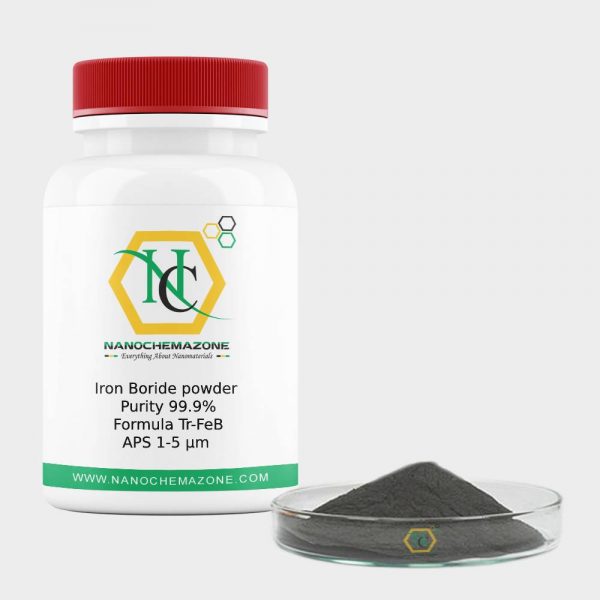
Product Name: Iron Boride Powder
| MF: | Tr-FeB |
| Chemical Name | Iron Boride Powder |
| Color | Grey Powder |
| EINECS Number: | 234-489-9 |
| Purity: | 99.9% |
| Density | ~7 g/cm3 |
| Product Number: | NCZ-NIB-112/20 |
| Cas Number: | 12006-84-8 |
Molybdenum Boride Powder
Molybdenum Boride Powder
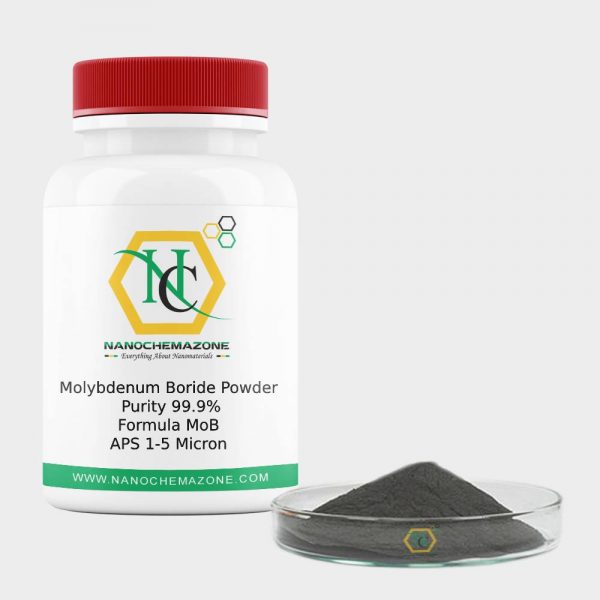
Product Name: Molybdenum Boride Powder
| MF: | Tr-MoB2 |
| Chemical Name | Molybdenum Boride Powder |
| Color | Yellow Gray |
| EINECS No.: | 234-502-8 |
| Purity: | 99.9% |
| Density: | 9.26 g/ cm3 |
| Product Number: | NCZ-NMB-112/20 |
| Cas Number: | 12006-99-4 |
Molybdenum Boride Powder
RELATED INFORMATION
It's mainly used as an additive of electronic tungsten, molybdenum alloy, etc., and can also be used in the manufacture of wear semiconductor thin film and coating materials. Please email us for the customization. Email: contact@nanochemazone.com Please contact us for customization and price inquiry Note: We supply different size ranges of Nano and micron as per the client’s requirements and also accept customization in various parameters.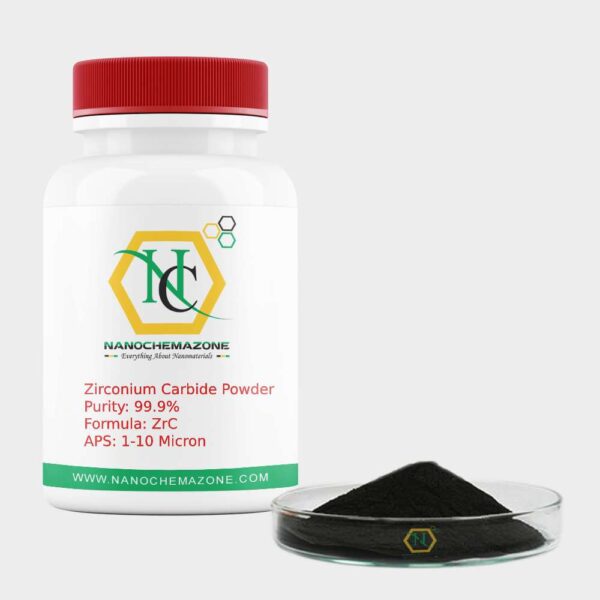
Zirconium Carbide Powder
Zirconium Carbide Powder
Product Name: Zirconium Carbide Powder
| Product | Zirconium Carbide Powder |
| Colour | Black |
| Purity | ≥ 99.9% |
| Particle size | 1-10 µM (customizable) |
| Ingredient/MF | ZrC |
| Product Code | NCZ-C-110/20 |
| CAS Number | 12070-14-3 |
Reviews
There are no reviews yet.